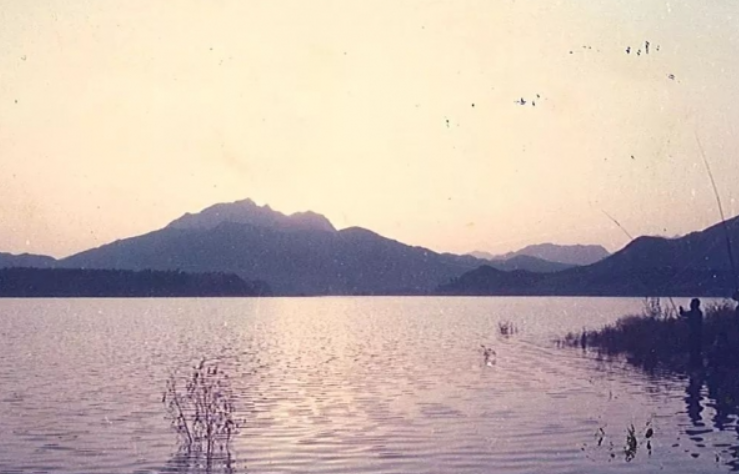
A quieter shoreline
An earlier visual record preserves a landscape with fewer contemporary markers, allowing the water and surrounding mountains to dominate the scene.
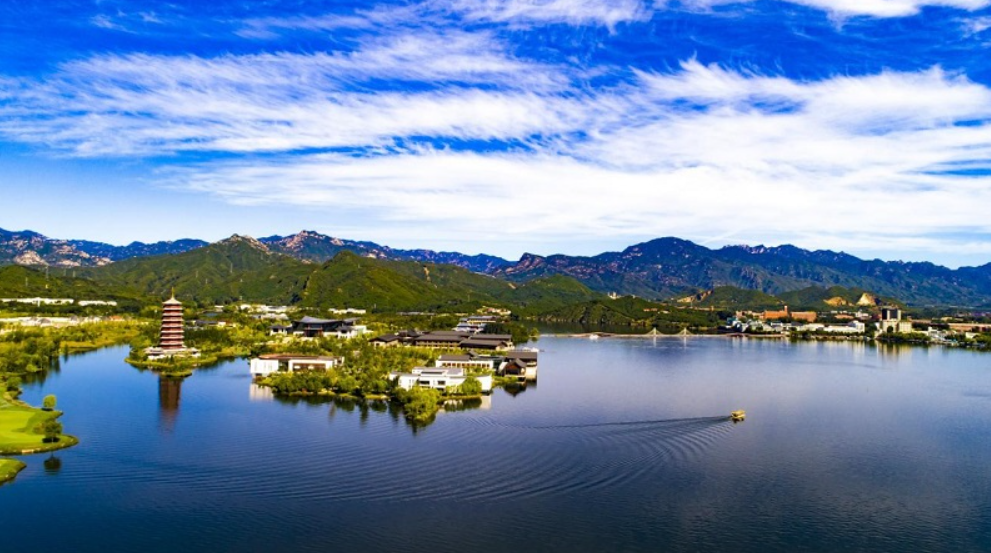
Water records change quietly. So do the people who have lived beside it.
Watershed Memory explores the environmental and human histories surrounding Yanqi Lake and Baili Gallery. Rather than treating the landscape as a fixed scenic background, this project approaches it as a living archive — shaped by water, geology, settlement, development, restoration and everyday life.
Through landscape observation, historical images and oral accounts, the project asks how communities remember environmental change: what has disappeared, what has been rebuilt, what remains familiar, and how people's relationships with the land have changed alongside the landscape itself.
Valleys, lakes and mountain corridors form a continuous landscape. Their appearance changes with seasons and human intervention, yet water continues to connect places that may otherwise seem separate.
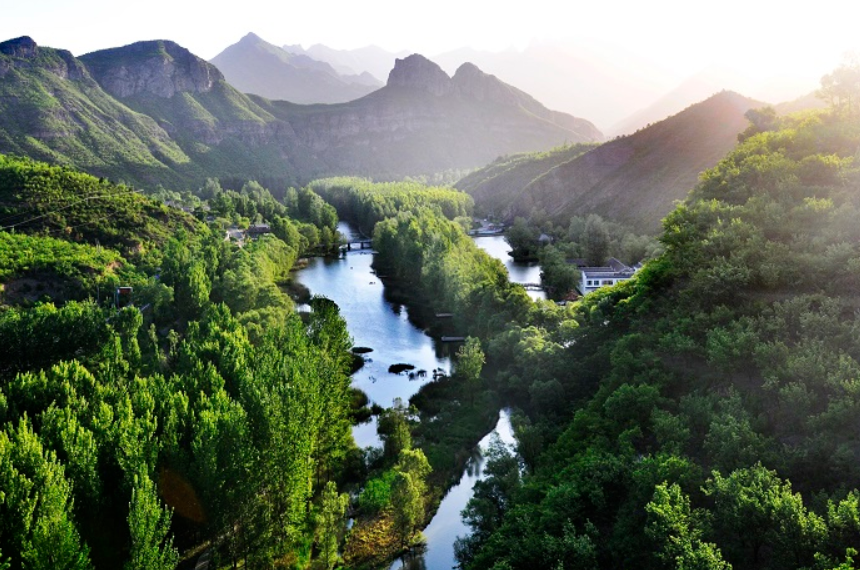
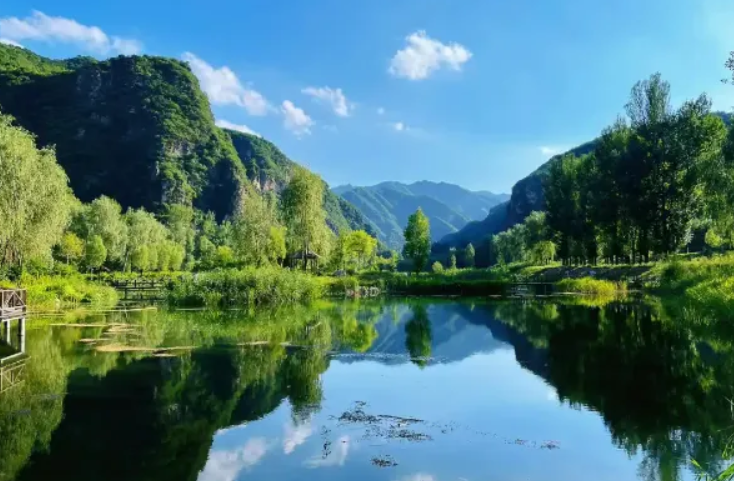
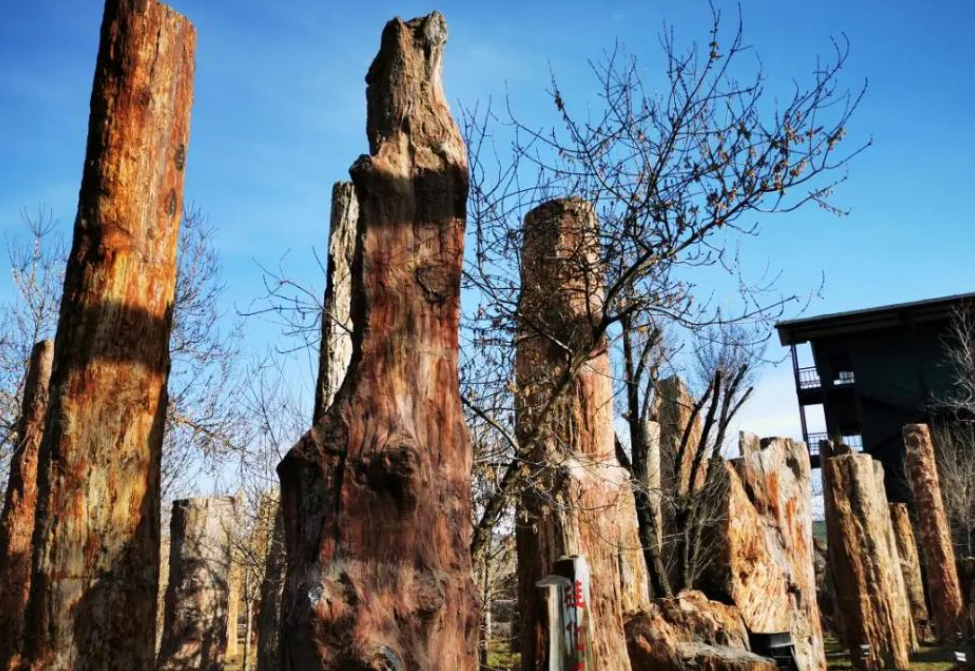
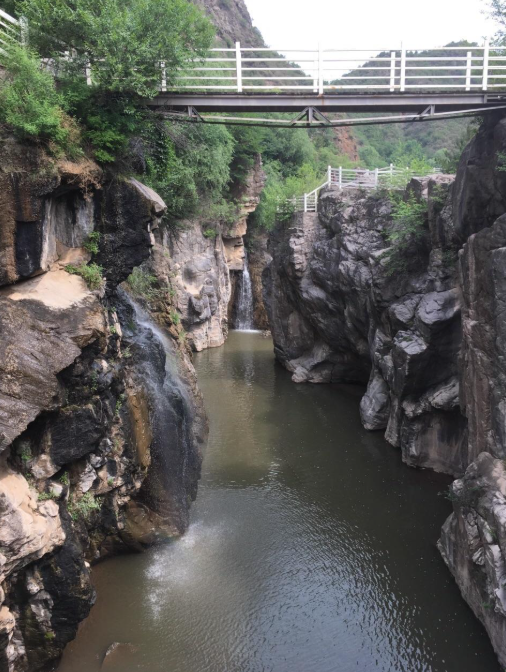
The history of a watershed begins long before written records. Rock, sediment, river channels and fossilized material preserve another scale of time — one measured not in generations, but through geological transformation.
Within this longer history, human settlement becomes only one layer. Roads, villages, reservoirs and tourism infrastructure enter a landscape that already carries traces of much older environmental processes.
Water is not only something to be viewed. Around lakes and mountain valleys, it has always been connected to movement, settlement, work, leisure and community life.
As places become scenic destinations, the same landscape can acquire new meanings. What was once familiar and ordinary may later be photographed, landscaped, protected, promoted or remembered.
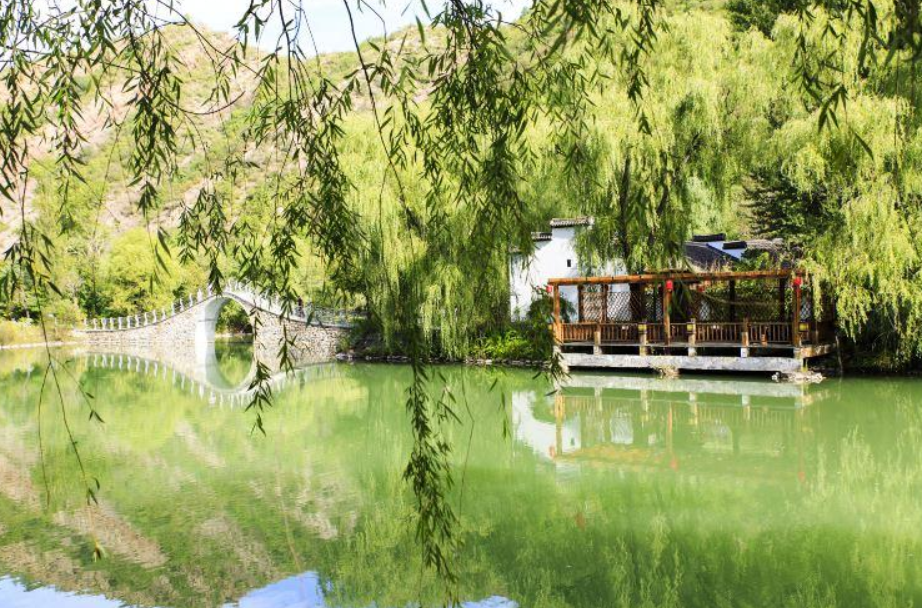
Historical photographs allow environmental change to become visible. Looking at the same landscape across different moments reveals not only what has changed physically, but also how the meaning and use of the place have been transformed.
An earlier visual record preserves a landscape with fewer contemporary markers, allowing the water and surrounding mountains to dominate the scene.
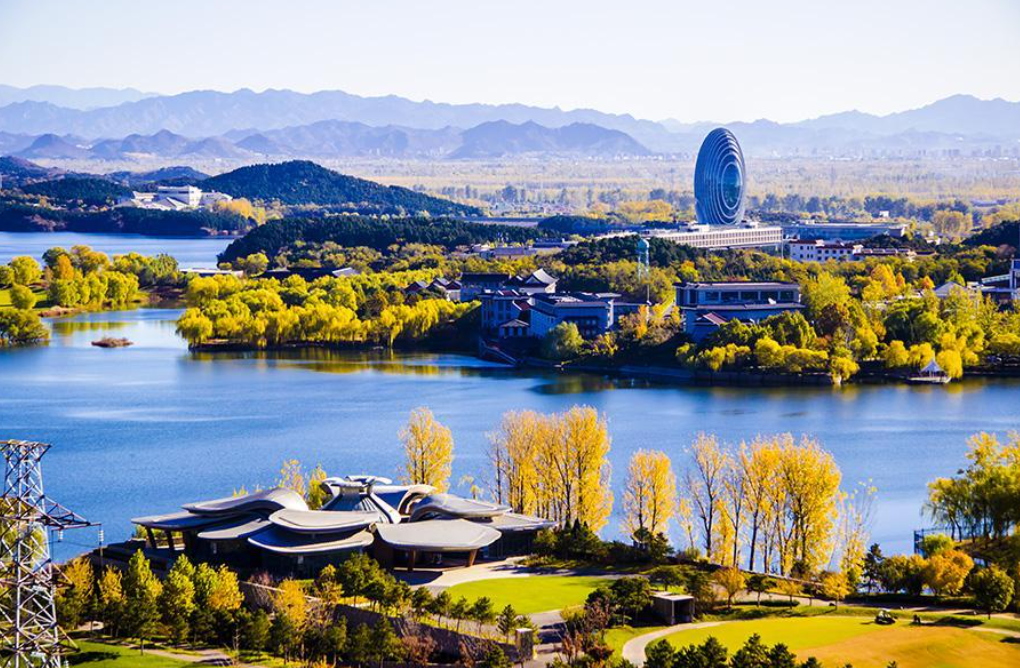
In the contemporary landscape, architecture, public space and managed vegetation have become visible parts of the watershed, reflecting a different relationship between nature and development.
Water moves through mountains, villages and changing landscapes. Memory moves differently — through photographs, stories, observations and generations.
Neither remains completely unchanged. Yet traces of earlier landscapes continue to exist within the places we see today. To follow the watershed is therefore also to follow a history of adaptation, transformation and remembrance.
Reading water, vegetation, geological formations, settlements and infrastructure as interconnected elements of a changing environment.
Placing historical and contemporary images together to examine visible changes in shorelines, settlement patterns and the human use of space.
Listening to local memories in order to understand how environmental transformation was experienced, interpreted and remembered by people themselves.